Decoding the Second Brain: How the Gut-Brain Axis Supports Your Mind
Published: 16/05/2026

Written by Oliver King
BSc Human Neuroscience | The Wellness Root
In this Guide
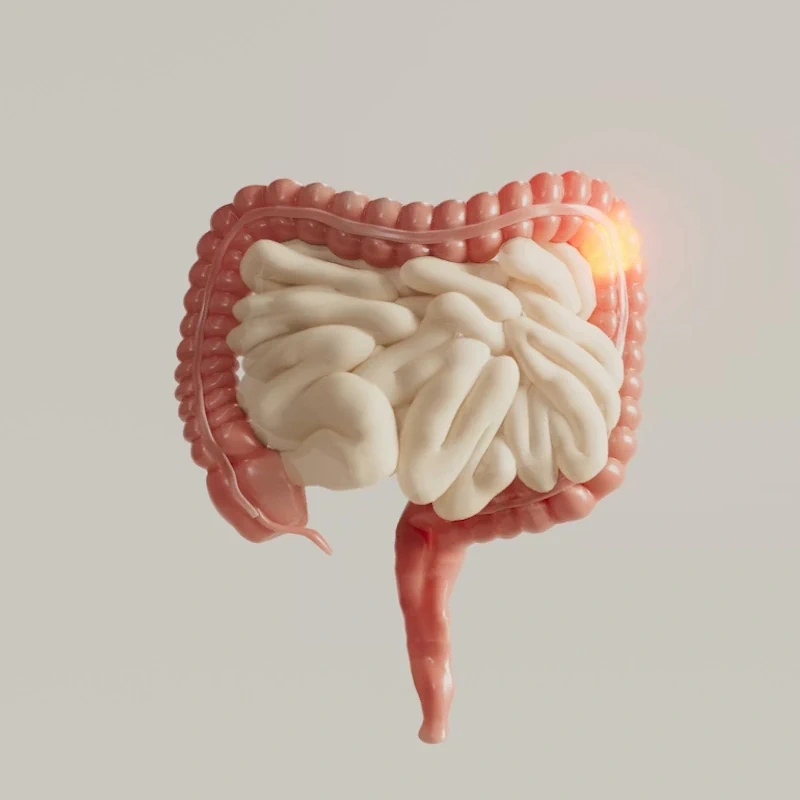
Most people view the gut as a simple processing plant for calories. In reality, it functions more like a sophisticated command center. Tucked within the walls of your digestive system is the Enteric Nervous System (ENS), a mesh-like network of over 100 million neurons. This “second brain” does not just handle digestion; it communicates constantly with the gray matter between your ears via the vagus nerve.
When your microbial balance shifts, your cognitive performance shifts with it. If you have ever felt “brain fog” after a period of poor eating, you have experienced the gut-brain axis in real time. Optimizing this connection requires more than just avoiding junk food. It requires a targeted approach to bacterial colonization and prebiotic fueling.
The Foundation of Neural Communication
The conversation between your gut and brain is mediated by chemical messengers. Specific bacteria contribute to the natural production of neurotransmitters like serotonin and GABA, which support a balanced mood and daily focus. To keep these colonies thriving, you need a high-quality substrate.
Chicory Root Fibre is one of the most effective tools for this job. It is a rich source of inulin, a prebiotic that resists digestion in the upper GI tract to reach the colon intact. Research into controlled prebiotic production (Europe PMC) highlights that chicory is exceptionally adaptable and efficient at promoting overall health benefits. By nourishing the right microbes, you are essentially supporting the natural bandwidth of your gut-brain communication.
Targeted Strains for Cognitive and Systemic Health
Not all probiotics serve the same purpose. To support the enteric nervous system and maintain a healthy inflammatory response, a diverse profile of Lactobacillus and Bifidobacterium is beneficial.
- Lactobacillus Acidophilus and Lactobacillus Rhamnosus: These strains support the natural integrity of the intestinal barrier. By maintaining a strong gut lining, they help protect against external irritants and support overall systemic wellness.
- Bifidobacterium Longum and Bifidobacterium Breve: These strains are highly valued for their ability to support natural stress resilience and promote a calm nervous system through the gut-brain pathway.
- Bifidobacterium Bifidum: This strain supports the normal metabolic breakdown of complex carbohydrates, helping to maintain a steady energy supply required for daily cognitive tasks.
- Lactobacillus Lactis: This strain plays a specialized role in supporting the natural immune response within the gut, helping to defend against the daily factors that contribute to mental fatigue.
The synergy between these species is what creates a resilient internal environment. A systematic review (Europe PMC) suggests that the relationship between intestinal flora and metabolic health, including normal glucose and lipid metabolism, is a primary contributor to how we feel and function daily.
Supporting Microbial and Fungal Balance
One of the most overlooked aspects of gut health is the maintenance of a balanced microbial environment. Various yeast and fungal species are common residents of the human microbiome, but they require a healthy bacterial baseline to remain in a stable, non-disruptive state. When the bacterial balance is maintained, it supports overall digestive comfort and cognitive clarity.
The specific strains mentioned above do more than just aid normal digestion. Lactobacillus and Bifidobacterium species naturally support the gut ecosystem by producing organic metabolites that help maintain a balanced microbial population, supporting the natural integrity of the epithelial tissue.
This targeted activity provides specialized support for maintaining normal microbial balance, distinct from general digestive or broad immune claims. Clinical evidence (Europe PMC) confirms that these probiotic genera can significantly support healthy microbial balance, helping to protect the enteric nervous system from external interference.
The Verdict: Practical Application
If you want to sharpen your mental edge, you have to look at your microbiome as a biological hardware upgrade. Simply taking a random yogurt off the shelf won’t cut it. You need optimal colony counts of specific, well-researched strains paired with the right prebiotic fuel.
For those looking to dive deeper into how these ingredients compare, checking out this detailed review can provide more context on how these strains are formulated for maximum impact. You might also find it useful to explore how other cognitive enhancers, like Lions Mane, interact with your overall neurological health in our science-based guide.
The goal is to create an environment where your “second brain” can support your primary one. By focusing on the gut-brain axis through targeted supplementation and prebiotic support, you aren’t just improving your digestion; you are optimizing your entire nervous system function.
Further Reading
Join The Wellness Root Community
Join 5,000+ subscribers and get our weekly evidence-based wellness guides, in-depth product reviews, and scientific breakdowns sent directly to your inbox.
100% Secure. Unsubscribe anytime.