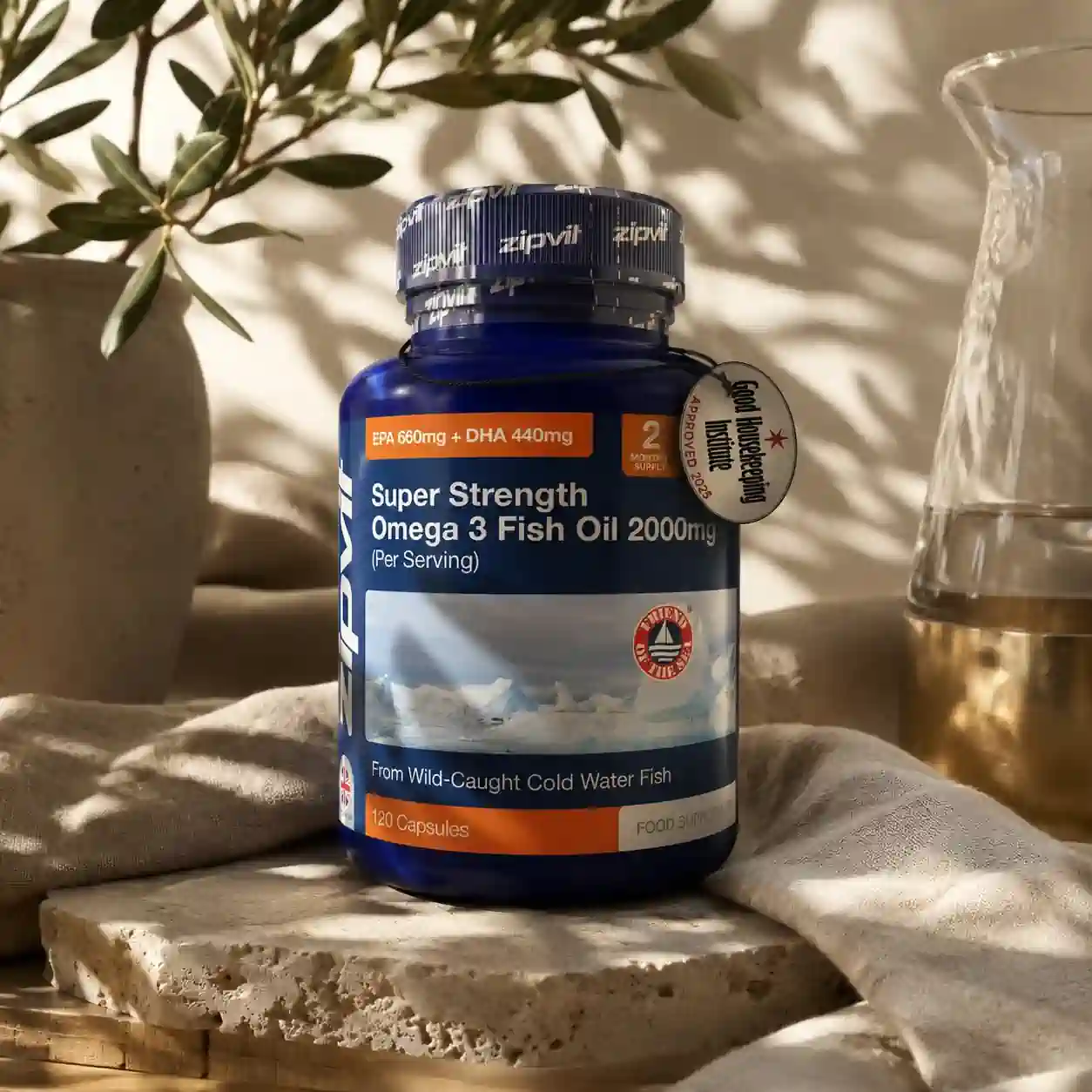
Epa
Review the scientific evidence and bio-availability of Epa, followed by our curated database of formulations.
Epa (Eicosapentaenoic acid) is a long-chain omega-3 polyunsaturated fatty acid (PUFA) that serves as a fundamental component of human physiology, particularly within the cardiovascular and nervous systems. Historically derived from marine sources such as fatty fish and microalgae, EPA is recognized as an essential fat because the human body’s ability to synthesize it from alpha-linolenic acid (ALA) is highly inefficient, necessitating direct dietary or supplemental intake to support optimal cellular levels.
Clinical Benefits & Mechanism of Action
EPA functions primarily to support a healthy, balanced inflammatory response and serves as a structural component of cellular membranes. Its physiological impact is driven by several key mechanisms:
- Modulation of Eicosanoid Pathways: EPA interacts with pathways involving arachidonic acid (AA) by competing for the enzymes cyclooxygenase (COX) and lipoxygenase (LOX). By balancing AA presence, EPA supports a favorable shift in the production of signaling molecules, favoring the less intense series-3 and series-5 variants over pro-inflammatory series-2 prostaglandins and series-4 leukotrienes.
- Synthesis of Specialized Pro-resolving Mediators (SPMs): EPA is the direct precursor to E-series resolvins (RvE1, RvE2, and RvE3). These compounds are critical for the natural recovery phase of tissue dynamics, actively signaling the body to conclude its normal inflammatory cascade and maintain tissue homeostasis.
- Neuro-Modulation and Mood Support: In neuroscience, EPA is noted for its ability to cross the blood-brain barrier and support a healthy neuro-inflammatory baseline. It helps modulate the hypothalamic-pituitary-adrenal (HPA) axis and influences normal neurotransmitter transport, thereby supporting emotional well-being and a balanced, resilient mood.
- Cardiovascular Support: EPA assists in maintaining blood vessel integrity, supports normal triglyceride synthesis in the liver, and encourages healthy endothelial function by promoting normal nitric oxide bioavailability.
Scientific Sources & Clinical Trials
- Formulation-Specific Cardiovascular Outcomes with High-Dose Eicosapentaenoic Acid: A Systematic Review and Meta-analysis.
- The Role of Omega-3 Polyunsaturated Fatty Acids on Sarcopenia and Aging Muscle.
- The relationship between elongation of very long-chain fatty acids (ELOVL) 2 polymorphism rs953413 and blood n-3 HUFA levels: a secondary analysis of EPA treatment in the seAFOod polyp prevention trial.