Quenching the Fire: How Lion’s Mane Supports Brain Vitality Against Mental Fatigue and Cellular Stress
Published: 16/05/2026

Written by Oliver King
BSc Human Neuroscience | The Wellness Root
In this Guide
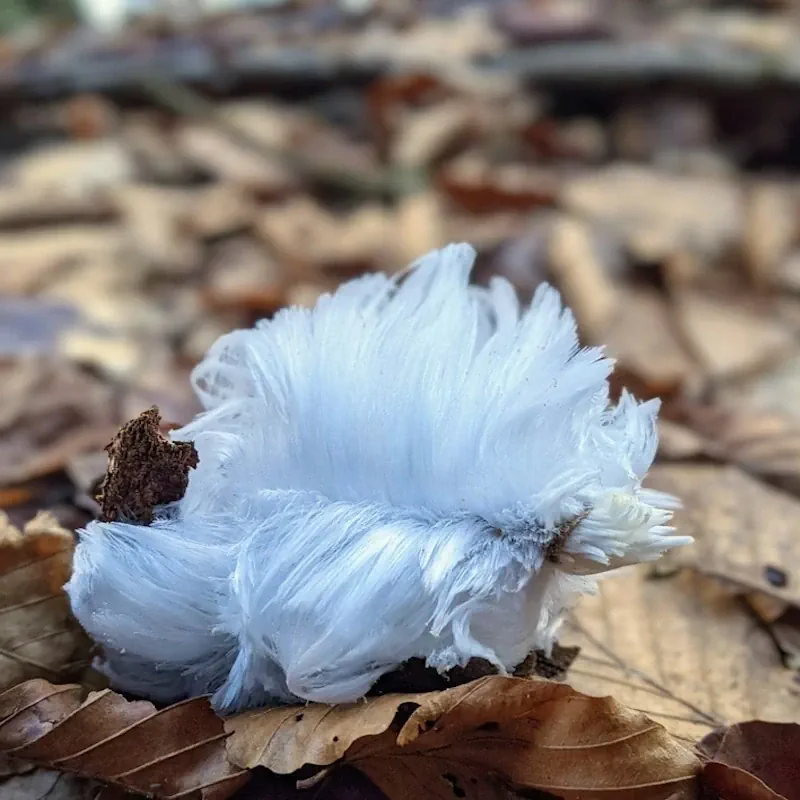
Most of us recognize that mid-afternoon mental fatigue as a lack of caffeine or sleep. But if you look under the hood, that “brain fog” is often the smoke from a quiet fire. This internal pressure is known as cellular stress. It happens when the brain’s natural defense systems stay on high alert, releasing signaling molecules that can disrupt optimal communication between neurons.
When this environmental stress meets oxidative stress, you get a recipe for accelerated cellular aging. Your brain is a high-energy organ that consumes a massive amount of oxygen, making it highly vulnerable to free radical damage. To protect your cognitive longevity, you need bioactives that don’t just mask the symptoms but actually support a healthy inflammatory response and protect neural structures. This is where lions-mane enters the conversation as a heavy hitter in the world of synaptic health and neuroplasticity.
The Bioactive Mechanics of Neural Support
The power of this mushroom lies in two specific families of compounds: hericenones and erinacines. These molecules are unique because they can cross the blood-brain barrier. Once inside, they support the natural production of Nerve Growth Factor (NGF), a protein essential for the maintenance and growth of healthy neurons.
By promoting natural NGF pathways, you aren’t just supporting memory. You are actively participating in a cortisol balance strategy that helps the brain maintain resilience against the structural pressures caused by daily stress. Research into neuroprotective compounds (Europe PMC) highlights how addressing cellular stress and maintaining clear signaling pathways represents a frontline strategy for supporting long-term cognitive performance.
Addressing the Oxidative Burden
To truly maintain brain energy and focus, you have to look at the gut-brain axis. We often think of the brain as an isolated island, but it is deeply connected to your enteric nervous system. Environmental stress in the gut often translates to mental fatigue in the brain.
Integrating a magnesium stack can help support a calm nervous system. Using organic forms like magnesium-bisglycinate or magnesium-malate contributes to normal energy-yielding metabolism, which is required to fight cellular oxidative stress. When your cells have optimal magnesium levels, they can better support natural cellular pathways and manage calcium balances that help preserve neuronal longevity.
Practical Application for Cognitive Longevity
If you are looking to build a protocol that targets daily cognitive stress and oxidative factors, consistency is more important than high doses. The goal is to create a biological environment where cellular maintenance outpaces daily wear and tear.
- Morning: Pair your lions-mane with vitamin-b1 to contribute to normal energy-yielding metabolism and glucose utilization in the brain.
- Support: Ensure you have adequate vitamin-d3 levels, as this fat-soluble nutrient contributes to the normal function of the immune system and supports balanced cellular signaling.
- The Gut Connection: Consider how the gut-brain axis supports brain resilience. A balanced microbiome helps manage the systemic oxidative load before it impacts your cognitive clarity.
By focusing on these specific pathways, you move away from temporary fixes and toward a sophisticated, science-backed approach to neurological health. Whether you are looking at Nutrition Geeks Lion’s Mane for a high-quality entry point or building a complex stack, the focus should always be on reducing cellular stress and supporting the brain’s natural ability to maintain itself.
Further Reading
Join The Wellness Root Community
Join 5,000+ subscribers and get our weekly evidence-based wellness guides, in-depth product reviews, and scientific breakdowns sent directly to your inbox.
100% Secure. Unsubscribe anytime.