The Brain Biohacker’s Guide to Creatine: Supporting Cognitive Resilience and Cellular Defenses
Published: 16/05/2026

Written by Oliver King
BSc Human Neuroscience | The Wellness Root
In this Guide
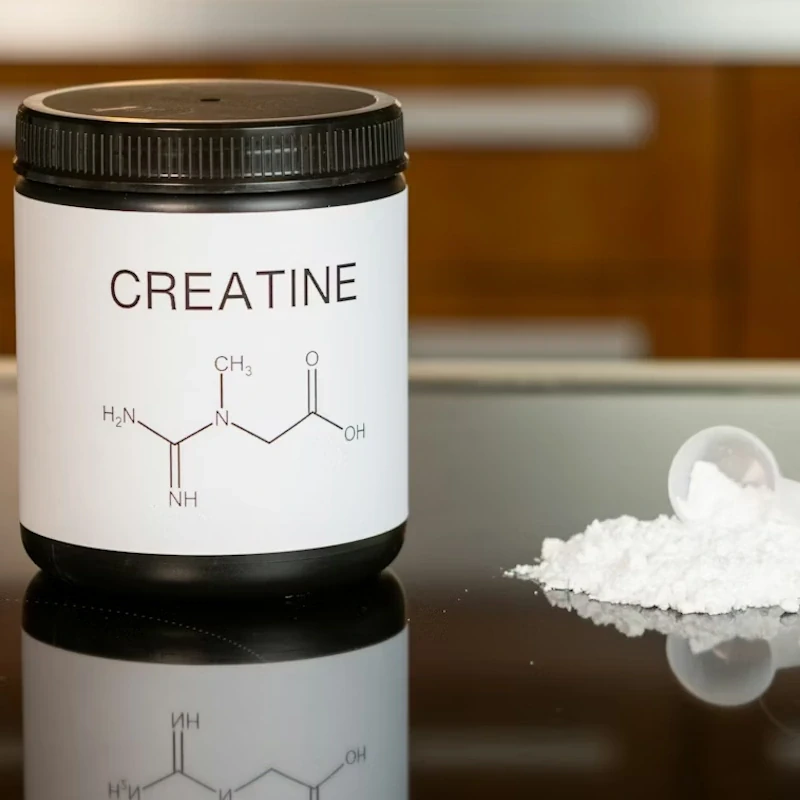
Most people still view creatine as a supplement strictly for the squat rack. If you are looking to build a resilient mind, that perspective is outdated. While its reputation was built on muscle hypertrophy and power output, the neuroscience community is now looking at creatine monohydrate as a high-octane fuel for the brain.
Your brain is an energy hog. Despite making up only 2% of your body weight, it consumes about 20% of your daily calories. When your cellular energy drops, mental fatigue and cellular oxidative stress can impact your focus and clarity. This is where the biohacking potential of creatine becomes interesting.
The Bioavailability Breakthrough
Not all forms of this compound are created equal. Recent clinical data suggests that micronized versions of creatine monohydrate offer superior pharmacokinetic profiles. Research on active men (PubMed) showed that micronized formulations achieve a significantly higher Cmax and a faster Tmax compared to standard versions.
This means the compound enters your system faster and more efficiently. When you are looking to support mitochondrial energy and ATP function, bioavailability is the only metric that matters. Higher absorption rates ensure that your neurons have the phosphocreatine reserves necessary to buffer against metabolic demands.
Buffering the Brain Against Oxidative Stress
Oxidative stress is essentially “biological rust.” It occurs when reactive oxygen species (ROS) overwhelm your brain’s natural antioxidant defenses. This process is a primary driver of brain burnout.
Creatine acts as a dynamic energy buffer. By maintaining high levels of ATP, it supports cellular homeostasis and helps manage the production of free radicals. While a recent meta-analysis (PubMed) noted that creatine might not significantly alter systemic markers like C-reactive protein in every population, its localized effect on brain tissue energy levels is a different story.
When you pair it with other supportive agents like turmeric or lions mane, you create a multi-pronged defense to optimize cellular health and protect cognitive performance.
The Neuro-Metabolic Edge: Creatine and Mood Optimization
Perhaps the most disruptive insight in modern nutritional neuroscience is the role of creatine in supporting overall emotional well-being and brain energy pathways. We often think of mood purely through the lens of neurotransmitters like serotonin, but energy metabolism is just as vital.
Creatine monohydrate acts as an excellent nutritional companion to support overall brain vitality, helping to maintain optimal cellular energy architecture by increasing brain N-acetylaspartate and phosphocreatine levels. This specific neuro-metabolic mechanism allows it to enhance wellness outcomes, offering an advanced cognitive application entirely distinct from its traditional sports-focused marketing.
A systematic review (PubMed) highlights that this targeted approach helps “recharge” the brain’s battery, providing the metabolic hardware necessary to support emotional balance and mental stamina. If you are already optimizing your gut-brain axis with bacopa monnieri or magnesium glycinate, adding a high-quality creatine could be the missing link in your optimization stack.
Stacking for Synaptic Health
If your goal is synaptic health and neuroplasticity, you should look at how creatine interacts with other bioactives.
- For Mitochondrial Power: Combine it with siberian ginseng to maximize natural cellular respiration pathways.
- For Stress Resilience: Stack it with l-tryptophan to support both the serotonin precursor pathway and cellular energy.
- For Brain Protection: Use it alongside omega-3 fish oil to ensure cell membrane fluidity and support natural defenses against oxidative damage.
The Verdict: More Than a Muscle Builder
The science is clear: the benefits of creatine monohydrate extend far beyond the gym floor. By improving the brain’s energy homeostasis, it provides a robust shield to help maintain cognitive performance against the twin threats of mental fatigue and cellular oxidative stress.
Whether you are using it to sharpen your focus, recover from daily cognitive demands, or as a sophisticated addition to your mood optimization protocol, it remains one of the most researched and safe tools in the biohacker’s arsenal. For those looking to optimize their daily routine, starting with a daily dose of 3 to 5 grams is a foundational move for long-term brain health.
If you’re interested in more ways to protect your nervous system, check out our guide on magnesium stacks for brain resilience or explore how vitamin d3 and k2 contribute to overall longevity.
Further Reading
Join The Wellness Root Community
Join 5,000+ subscribers and get our weekly evidence-based wellness guides, in-depth product reviews, and scientific breakdowns sent directly to your inbox.
100% Secure. Unsubscribe anytime.